Your cart
There are no more items in your cart
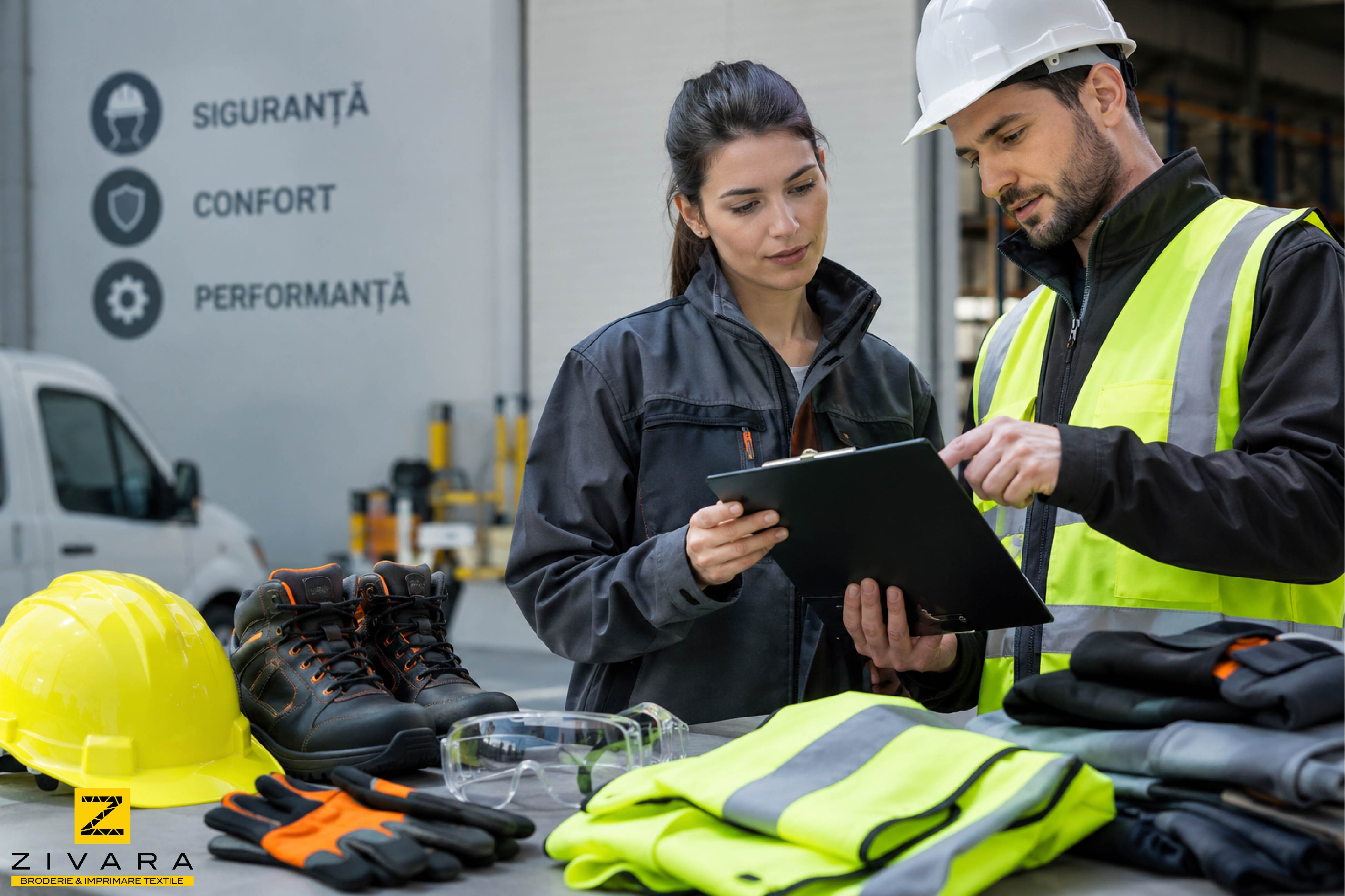
Choosing a PPE and workwear supplier is not simply about finding the lowest price for a list of products. A reliable supplier should first understand how your team works, what risks employees face, what weather and temperature conditions they work in, how often garments are washed and what image your company needs to project.
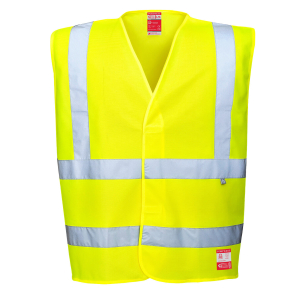
A logistics company, for example, may need high-visibility vests for loading areas, waterproof jackets for outdoor work, customised polo shirts for reception staff and protective footwear for warehouse operations. These products may belong to different categories, but they are part of the same requirement: equipping a company properly for the work it actually does.
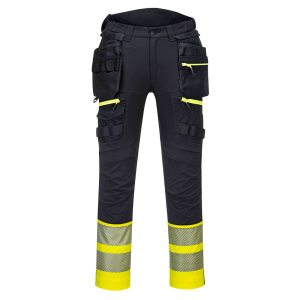
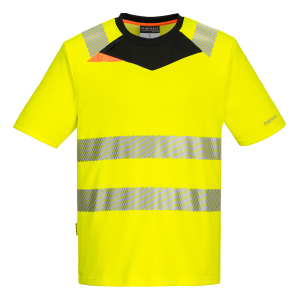
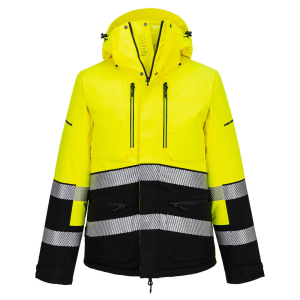
That is why product selection should not be based on a catalogue photograph alone. Fabric composition, fit, fastening systems, positioning of reflective strips, seam durability and compatibility with other equipment can all make a significant difference in everyday use. For higher-risk activities, the relevant standards, markings and product documentation should also be checked.
A product can look professional without being suitable for a particular working environment. A good PPE supplier for businesses should be able to explain that difference before an order is placed.
The right supplier should also manage the project as a complete outfitting solution rather than simply selling separate products. Depending on the company's needs, this may include workwear, waterproof clothing, high-visibility garments, protective footwear and customised uniforms for employees who do not require technical PPE.
The same type of garment can have very different applications. A work jacket may be perfectly suitable for a workshop or delivery team, but it does not automatically replace a flame-resistant jacket. A high-visibility vest can improve an employee's visibility, but the required level of protection depends on factors such as traffic, lighting conditions, vehicle speed and the employee's position within the risk area.
For this reason, a company's purchasing decisions should start with its internal risk assessment and the actual requirements of each role. Construction workers have different needs from warehouse operators. A maintenance team may need greater freedom of movement, functional pockets and additional protection, while restaurant staff may primarily need comfort, hygiene, consistent appearance and easy-care fabrics.
There are also situations where giving every employee exactly the same equipment is not the most efficient solution. If drivers, yard workers and office employees all receive the same garments simply to maintain visual consistency, the company may end up paying for technical features that some employees never use, while other roles may not receive everything they actually need.
Visual consistency does not require identical technical equipment. Company colours, logos and common design elements can create a recognisable corporate image while allowing each employee to receive equipment suited to their role.
A low-cost garment that fades, loses its shape or develops damaged seams after repeated washing can quickly become more expensive than a better-quality professional alternative.
The real cost is not limited to replacing the garment. Companies may also lose time placing additional orders, deal with differences between product batches, struggle to maintain a consistent team appearance and experience unnecessary interruptions to their operations.
For workwear, durability can be seen in the fabric, construction, high-stress areas, stitching and the garment's ability to maintain its functionality over time. For safety footwear, comfort throughout a working shift, support, sole construction and suitability for the working surface are equally important.
For PPE, maintenance instructions are particularly important. Washing, drying or cleaning protective equipment incorrectly can affect the properties for which the product was designed. A responsible supplier should therefore provide clear information about product care and intended use.
It is also worth considering the complete usage cycle. A reception polo shirt may be worn frequently and washed intensively, while a winter jacket may only be used during certain months of the year. A well-planned purchasing strategy should consider the number of sets required per employee, spare garments for new team members and the future availability of the same products for replacements or additional orders.
A company logo is more than a decorative detail. On garments worn every day, it identifies the team, reinforces customer confidence and makes employees easier to recognise at a construction site, at a client's premises or during an event.
However, the customisation method should be selected according to the fabric, graphic size, level of detail, garment construction and washing frequency.
Computerised embroidery is a strong option for premium-looking logos on polo shirts, shirts, hoodies, jackets, caps and vests. It provides a clear visual presence and good durability, although it is not necessarily the best solution for very large graphics, extremely fine details or very lightweight fabrics.
DTF printing allows colours and fine details to be reproduced clearly on many types of textiles, including more complex logos. DTG is particularly suitable for detailed designs on cotton garments, where a softer integration of the print with the fabric is desired. Heat transfer can be an effective solution for simpler graphics, names, numbers or specific markings when the garment and intended application are suitable for the technique.
A competent supplier should not automatically recommend the same customisation method for every product. The right choice depends on the garment, placement, exposure to friction, expected number of washes and the company's visual requirements.
A small logo on the chest has different requirements from a large graphic applied to the back of a work jacket. The customisation should be selected with the same care as the garment itself.
Before approving an order, companies should check several practical points:
For larger projects, it is worth requesting samples or visual approvals before production, especially when the order includes multiple products, strict brand colours or complex graphics.
A check made before production can prevent additional costs and delays caused by corrections. For organisations purchasing through public procurement procedures in Romania, the availability of products through SICAP/SEAP and correctly prepared documentation can also simplify the administrative process.
A minimum order of 10 customised products makes it possible to build a coherent company outfitting solution rather than simply selecting unrelated garments. Zivara works with companies and institutions looking for workwear, PPE, protective footwear, uniforms and customised corporate textiles for professional use.
The discussion before preparing a quotation is an important part of the process. It helps identify the right products, quantities and customisation methods for each role, without making compromises simply to achieve the lowest possible price.
The best workwear should not attract attention because of problems. It should be visible when visibility is required, comfortable throughout the working day, durable after repeated use and recognisable to customers.
When these are the starting criteria, purchasing workwear and PPE becomes more than a product order. It becomes a practical investment in employees, company image and the standard of work your business wants to maintain.