
Your cart
There are no more items in your cart
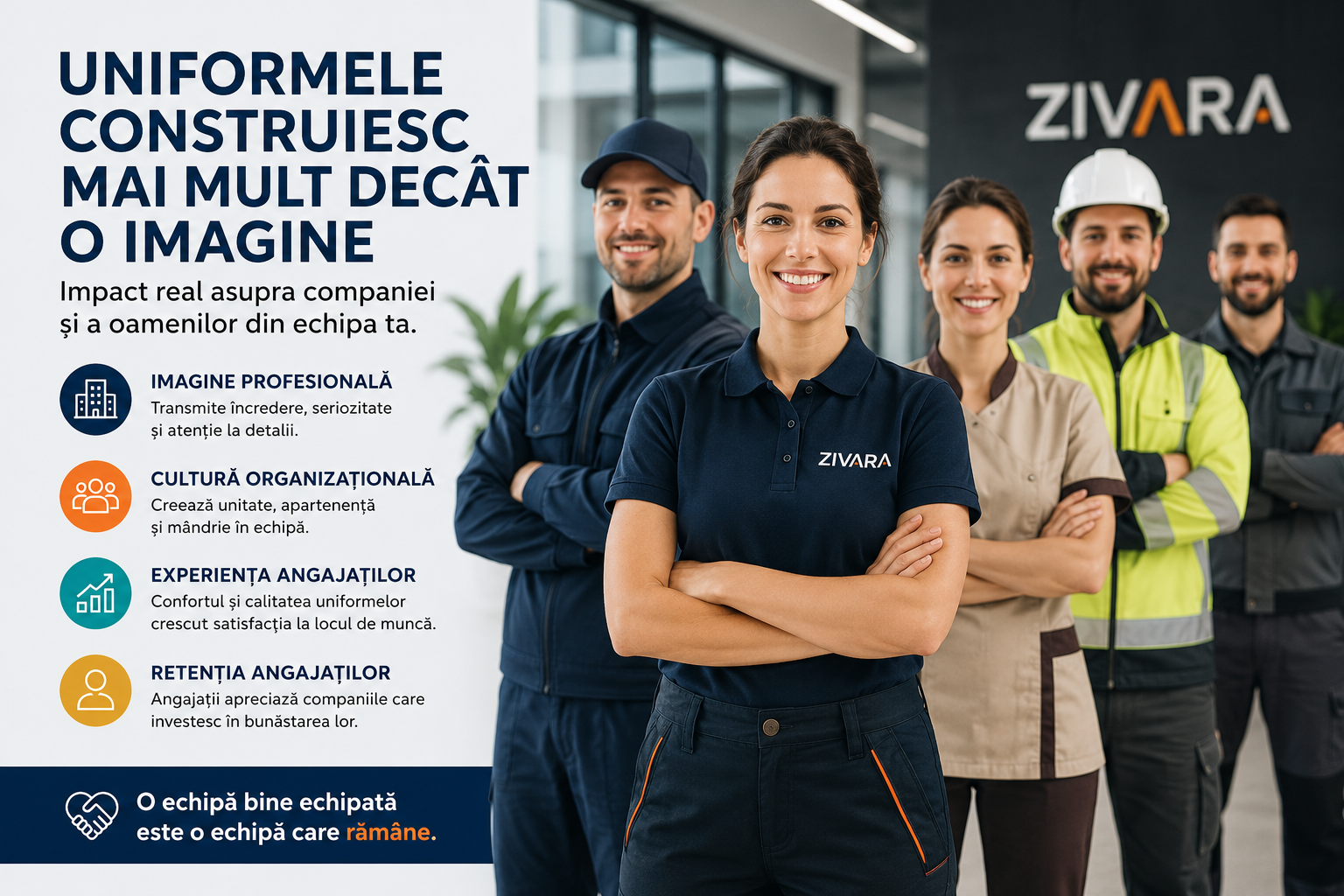
How Work Uniforms Influence Company Image and Employee Retention
For many businesses, work uniforms are often viewed simply as mandatory clothing or personal protective equipment. In reality, they represent much more than a practical necessity. Well-designed uniforms contribute to a company's visual identity, reinforce professionalism, strengthen workplace culture and positively influence the overall employee experience.
Whether your business operates in construction, manufacturing, logistics, healthcare, hospitality or retail, investing in quality workwear delivers measurable benefits that go beyond appearance. Customers immediately notice consistency and professionalism, while employees appreciate clothing that is comfortable, durable and designed specifically for their daily tasks.
This guide explains why professional work uniforms are one of the smartest long-term investments companies can make for both branding and employee retention.
Table of Contents
- Why Work Uniforms Matter
- Building a Strong Company Image
- Increasing Customer Trust
- Creating a Strong Workplace Culture
- Employee Satisfaction and Retention
- Productivity and Team Performance
- Uniforms as a Business Investment
- How to Choose the Right Uniforms
- Frequently Asked Questions
Why Work Uniforms Matter More Than Ever
Today's customers expect consistency. Every interaction with your business contributes to your brand image, including the appearance of your employees. A clean, modern and branded uniform immediately communicates professionalism, reliability and attention to detail.
Research in consumer behavior consistently shows that people form first impressions within seconds. Before an employee even speaks, customers have already evaluated appearance, confidence and professionalism.
Professional uniforms help eliminate uncertainty by clearly identifying employees and presenting a unified corporate image.
Key takeaway: Uniforms are one of the few branding assets that interact directly with customers every single day.
Building a Strong Company Image
Your company's brand extends far beyond your website, logo or advertising campaigns. Every employee represents your organization whenever they interact with customers, suppliers or the public.
Branded workwear transforms employees into brand ambassadors. A consistent appearance reinforces your company's identity and helps customers recognize your business instantly.
Professional uniforms strengthen your brand by:
- Creating a consistent visual identity
- Increasing brand recognition
- Supporting corporate professionalism
- Helping customers identify staff quickly
- Differentiating your business from competitors
- Enhancing perceived quality of service
Businesses that invest in high-quality uniforms demonstrate attention to detail. This attention often transfers psychologically to customers, who associate professional appearance with professional service.
How Uniforms Increase Customer Trust
Trust is one of the most valuable assets any company can build.
Customers naturally feel more comfortable approaching employees who wear identifiable uniforms. Whether inside a retail store, hotel, warehouse or healthcare facility, uniforms reduce confusion and improve customer experience.
Professional workwear also communicates accountability. Customers immediately know who represents the company, making interactions feel more secure and organized.
| Without Uniforms | With Professional Uniforms |
|---|---|
| Employees are difficult to identify | Staff are immediately recognizable |
| Inconsistent company image | Strong visual identity |
| Lower perceived professionalism | Higher customer confidence |
| Different clothing styles | Consistent brand presentation |
For service-based businesses, this difference can directly influence customer satisfaction and repeat business.
Creating a Strong Workplace Culture
A company culture is built through shared values, daily interactions and a sense of belonging. While uniforms alone do not create a positive workplace culture, they can reinforce it by promoting unity, equality and team spirit.
When employees wear the same professional clothing, personal fashion choices become less important during working hours. Instead, the focus shifts toward collaboration, professionalism and achieving common goals.
Many successful organizations use uniforms as part of their employer branding strategy because they help employees identify with the company's mission and values.
Uniforms encourage:
- A stronger sense of belonging
- Equal representation across departments
- Greater team cohesion
- Pride in representing the company
- Professional behavior throughout the workday
Employees who feel they belong to an organization are generally more engaged, motivated and committed to delivering excellent customer service.
Can Work Uniforms Improve Employee Retention?
Employee retention depends on many factors including salary, leadership, workplace environment and career development opportunities. Uniforms alone will never determine whether someone stays with a company.
However, uniforms contribute significantly to the overall employee experience.
Comfortable, durable and well-designed workwear reduces everyday frustrations. Employees spend eight or more hours wearing their uniforms, making comfort an important factor in job satisfaction.
High-quality uniforms provide employees with:
- Greater comfort throughout the working day
- Improved freedom of movement
- Better temperature regulation
- Enhanced safety where required
- A professional appearance that increases confidence
Poor-quality uniforms often create the opposite effect. Heavy fabrics, uncomfortable fits and low durability lead to dissatisfaction and frequent replacement costs.
Employees Notice When Companies Invest in Them
Providing premium workwear sends a powerful message:
"We care about your comfort, safety and professional image."
Small investments that improve employees' daily working experience often generate long-term benefits through increased engagement and loyalty.
When companies consistently provide quality uniforms, employees perceive this as part of a supportive workplace culture rather than simply another company requirement.
The Connection Between Uniforms and Productivity
Comfort directly affects productivity.
Employees who constantly adjust uncomfortable clothing, overheat during summer or struggle with poorly fitted garments become distracted from their work.
Modern workwear is specifically designed to improve performance through:
- Stretch fabrics
- Breathable materials
- Lightweight construction
- Ergonomic design
- Multiple functional pockets
- Reinforced high-wear areas
These seemingly small improvements save time, reduce discomfort and help employees remain focused throughout their shifts.
Uniforms Help Build Employer Branding
Employer branding refers to how current and future employees perceive your company as a place to work.
Professional uniforms play an important role in this perception.
Candidates visiting your premises immediately notice whether employees appear organized, confident and proud to represent the business.
A consistent corporate appearance suggests stability, professionalism and attention to employee wellbeing.
Why Branded Workwear Is a Powerful Marketing Tool
Every employee wearing branded clothing becomes a mobile advertisement for your company.
Unlike traditional advertising campaigns that require continuous investment, branded uniforms generate daily exposure without additional marketing costs.
Company logos embroidered or printed on workwear increase brand visibility wherever employees travel:
- Customer locations
- Construction sites
- Retail stores
- Public transportation
- Industry exhibitions
- Business meetings
Over time, repeated visual exposure improves brand recognition and strengthens customer recall.
Uniforms Are an Investment, Not an Expense
Many businesses focus only on the purchase price of uniforms.
A better approach is to evaluate the total cost of ownership over several years.
| Low-Cost Uniforms | Premium Workwear |
|---|---|
| Lower initial cost | Higher initial investment |
| Frequent replacement | Long service life |
| Fabric deterioration | Better durability |
| Fading colors | Professional appearance longer |
| Higher long-term costs | Lower lifetime ownership cost |
Although premium uniforms cost more initially, they often deliver significant savings through longer lifespan, fewer replacements and improved employee satisfaction.
Industry Examples
Construction
Workers require durable fabrics, reinforced knees, weather resistance and certified personal protective equipment that complies with industry standards.
Hospitality
Restaurants and hotels benefit from elegant uniforms that reinforce brand identity while remaining comfortable during long shifts.
Healthcare
Medical professionals require breathable, hygienic garments that allow unrestricted movement and withstand frequent industrial washing.
Retail
Uniforms help customers quickly identify employees while maintaining a consistent shopping experience across all locations.
Logistics and Warehousing
Functional workwear with high visibility options improves both efficiency and workplace safety.
How to Choose the Right Work Uniforms
Selecting uniforms should involve more than choosing colors or adding a company logo.
Businesses should evaluate several important factors before making a purchasing decision.
Checklist
- Choose durable fabrics suitable for daily use.
- Ensure garments comply with applicable safety standards.
- Select breathable materials for employee comfort.
- Offer a complete size range.
- Use high-quality embroidery or professional printing.
- Consider seasonal clothing options.
- Test uniforms with employees before large orders.
- Purchase from experienced suppliers specializing in professional workwear.
A well-planned uniform program reduces long-term costs while improving both employee satisfaction and customer perception.
Best Practices for Implementing a Uniform Policy
Introducing work uniforms should be more than simply distributing clothing to employees. A successful uniform policy takes into account employee comfort, job-specific requirements, company branding and long-term maintenance.
Whenever possible, involve employees in the selection process. Gathering feedback before placing a large order helps improve acceptance and ensures the uniforms meet practical needs.
Successful uniform programs usually include:
- Clear dress code guidelines.
- Seasonal clothing options.
- Professional embroidery or printing.
- Easy replacement procedures.
- Regular quality inspections.
- Sizing support for all employees.
Frequently Asked Questions
Do work uniforms really improve company image?
Yes. Professional uniforms create a consistent appearance across your workforce, strengthen brand recognition and increase customer confidence. They communicate professionalism before an employee even speaks.
Can uniforms improve employee retention?
Uniforms are not the primary reason employees stay with a company, but comfortable, high-quality workwear contributes to a better daily experience and reinforces the feeling that the employer values its workforce.
Are branded uniforms worth the investment?
Absolutely. Branded workwear acts as continuous advertising while improving corporate identity and helping customers recognize employees quickly.
Which industries benefit the most from uniforms?
Construction, logistics, manufacturing, healthcare, hospitality, retail, facility management and food production all benefit significantly from professional uniforms.
What is the best way to customize workwear?
Embroidery is generally the most durable solution for everyday use. High-quality printing methods are excellent for detailed graphics and larger designs.
Final Thoughts
Professional work uniforms are far more than a dress code requirement. They represent an investment in your company's reputation, employee experience and long-term business success.
High-quality workwear helps employees feel comfortable, creates a strong first impression, strengthens your corporate identity and builds customer trust. At the same time, durable garments reduce replacement costs and contribute to a more consistent professional image.
Whether your business operates in construction, hospitality, healthcare, logistics, retail or manufacturing, investing in quality work uniforms is an investment in your people—and in your brand.