Your cart
There are no more items in your cart
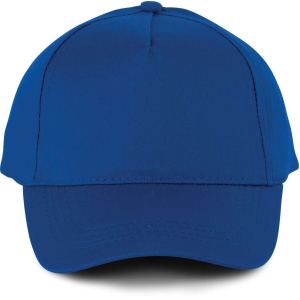

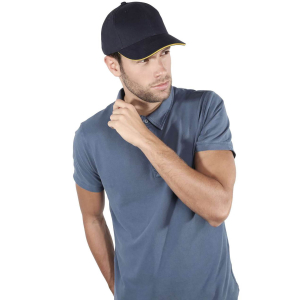
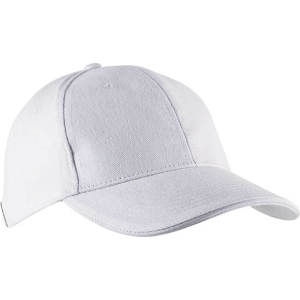
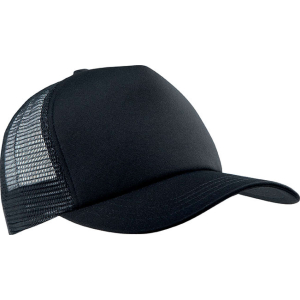
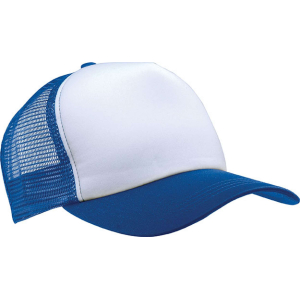
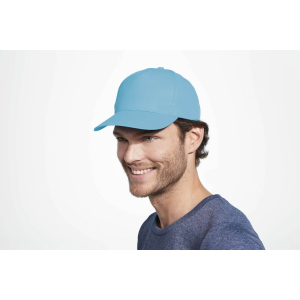
Embroidered caps for employees are an excellent choice when a business needs durable logo branding with a professional appearance. The thread is stitched directly into the fabric, giving the logo texture, definition and visual presence. Embroidery works particularly well for company names, simple symbols, clearly defined logos and short text.
Custom embroidered caps are widely used by businesses in construction, logistics, distribution, technical services, retail, hospitality, agriculture, sports and field services. In these industries, employees interact with customers, move between locations or work in environments where uniforms need to make teams easy to recognise.
However, embroidery is not suitable for every type of artwork. Logos containing extremely fine details, gradients, photographs or many similar colours may need to be simplified or reproduced using another customisation method. The goal is not to force a complex design onto a small surface, but to adapt the logo so that it remains clear and consistent with the company's brand identity.
Even high-quality embroidery cannot compensate for a poorly made cap. For professional use, consider fabric density, front panel construction, stitching quality, the rear adjustment system and the cap's ability to retain its shape.
Cotton offers comfort and breathability, making it suitable for everyday wear in moderate temperatures. Polyester blends can be a practical option when faster drying, dimensional stability or intensive outdoor use are important. The right choice depends on the working environment and how frequently the caps will be worn and cleaned.
Structured caps are a good option when the logo needs to remain clearly positioned and visible. Their reinforced front panels retain their shape and provide a more stable surface for embroidery. Unstructured caps have a softer construction and can be comfortable for casual activities, but their suitability should be assessed carefully when employees wear them for long shifts or when the design is relatively large.
For teams working outdoors in summer, a cap with ventilation, an effective peak and an absorbent inner sweatband can make a significant difference to everyday comfort. For employees in retail, hospitality or reception, a neat appearance, stable shape and colour retention are often more important.
There is no single cap model that suits every business. The best option is the one that matches the team's actual working conditions.
Cap colours should be selected together with the rest of the uniform. Black, navy, dark grey and dark green can help conceal everyday marks and integrate easily with workwear and corporate uniforms. Lighter colours can work particularly well in hospitality, retail, tourism and summer activities, although they may require more careful maintenance.
The contrast between the cap and the embroidered logo is equally important. Tone-on-tone embroidery can create a subtle, refined appearance, but it may not be the best option for teams that need to be identified quickly. If visibility is a priority, choose colours that provide clear contrast and remain distinguishable in different lighting conditions.
Computerised embroidery requires technical preparation before production. The logo is converted into a digital embroidery file that defines stitch direction, stitch density and colour sequence. This preparation directly affects the clarity of the finished design, especially on the relatively small, curved front panel of a cap.
A vector file is generally preferred because it allows shapes to be reproduced accurately and scaled appropriately. If only a raster image is available, it may still be usable in certain cases, depending on its resolution and the complexity of the logo.
It is also useful to provide your brand guidelines, including approved colours, permitted logo variations and minimum usage sizes. This helps maintain consistency across different products and future orders.
Some artwork adjustments may be necessary before embroidery. Very small lettering can become difficult to read, narrow gaps may close up, and thin lines may need to be thickened. These adjustments do not change the company's identity; they help preserve its recognisability within the technical limitations of embroidery.
Approving a digital mock-up before production helps reduce misunderstandings and ensures that everyone agrees on the expected result.
The centre front panel is the most common placement for a company logo because it is easy to see and works well for primary branding. A short slogan, department name or secondary brand element can be embroidered on the side of the cap. However, adding too many elements can make the design less clear and unnecessarily increase customisation costs.
Logo size must be considered in relation to the cap model and the complexity of the artwork. An oversized logo may distort visually across the curved front panel, while a design that is too small may lose its identification value.
For B2B orders, consistency is more important than experimentation. Using the same logo position, colours and dimensions across the entire team creates a cohesive and professional appearance.
Embroidery is often the preferred option when a premium appearance, textured finish and durability are priorities. It is particularly suitable for simple or moderately complex logos on caps that form part of a company uniform. The stitched finish creates a professional look that works well for businesses investing in long-term brand consistency.
DTF printing (Direct-to-Film) and heat transfer printing may be suitable for multicolour graphics, fine details or visual effects that cannot be reproduced effectively with thread. However, caps require particular attention because of their curved shape and limited decoration area. The suitability of each method depends on the cap's construction, fabric and available application surface.
An unsuitable transfer method can affect comfort, adhesion or long-term performance. The right technique should be selected according to the artwork, garment and intended working conditions rather than current trends alone.
For a consistent company uniform, it is worth assessing caps alongside polo shirts, T-shirts, hoodies, jackets and customised workwear vests. A logo may look different on each material, so its size, placement and colours should be adjusted to maintain a coherent brand identity across the entire outfit.
An efficient order starts with a few essential details: the number of employees, their roles, the working environment, the season, preferred colours and required delivery date. It is also important to establish whether every cap will feature the same logo or whether variations are needed for different departments, locations or job roles.
For orders of at least 10 items, careful planning helps reduce errors and supports a quotation tailored to the quantity, product and complexity of the customisation. For businesses operating multiple locations, warehouses with several shifts or organisations placing repeat orders, it is worth keeping an approved product specification on file.
This specification should include the cap model, colour reference, embroidery placement and final production artwork. Standardisation makes repeat orders easier to manage and helps ensure that new employees receive caps that match the existing uniform.
Price should always be considered in relation to the product's useful life. A low-cost cap that fades, loses its shape or needs replacing after a short period is not necessarily an economical choice. A well-constructed cap with properly executed embroidery can remain a practical part of the uniform while helping the team maintain a professional appearance in front of customers.
At Zivara, product selection and customisation recommendations are based on the intended use, the artwork and the working conditions. Evaluating these factors before production helps ensure that the finished caps are suitable for everyday professional use, not just for making a good first impression.
Before requesting a quotation, prepare your logo in the best available format, the required quantity, preferred cap colours and any specific requirements for logo placement or variations. Information about the team's activities and working environment also helps identify the most suitable product.
Choose custom embroidered caps that can keep up with your team's working routine and maintain a recognisable company logo throughout everyday use. Combined with suitable workwear, they help create a consistent professional image across your business.