Your cart
There are no more items in your cart
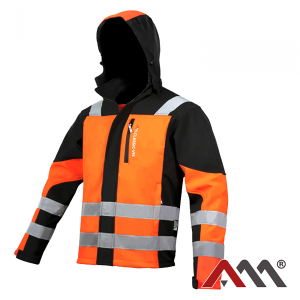
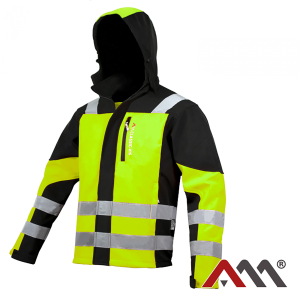
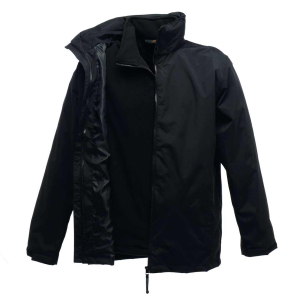
For teams working outdoors for long periods, breathability is just as important as waterproof protection. A fabric that keeps rain out but cannot release moisture generated by the body can quickly become uncomfortable during physical work. The right choice depends on the intensity and duration of the activity. For short interventions or occasional outdoor use, a basic rain jacket may be sufficient. For daily outdoor work, a membrane waterproof jacket with ventilation and a functional fit is often the more practical investment.
These terms are often used interchangeably, but they do not describe exactly the same level of protection. A water-repellent finish causes water to form droplets and run off the surface. This is useful, but it does not automatically guarantee protection during prolonged or heavy rain. A waterproof fabric provides a more effective barrier, but the overall performance of the garment also depends on seams, zips and construction points.
Water can often enter through needle holes rather than through the main fabric itself. That is why taped, welded or otherwise sealed seams are particularly important when workers are exposed to continuous rain. For professional workwear and PPE applications, EN 343 is an important European reference for protective clothing against rain. However, a standard should always be considered alongside the actual working environment. A delivery driver exposed to wind and rain for several hours has different requirements from a maintenance technician who moves between buildings throughout the day.
Before comparing colours, branding options or prices, establish where and how the jacket will be used. A good workwear purchase starts with a clear profile of the end user. The questions are straightforward: How many hours will the team spend outdoors? What temperatures will they encounter? Is high visibility required? Will they wear additional layers underneath? Are they working around equipment or materials that could snag or damage the fabric?
For construction sites and industrial environments, a work jacket should provide freedom of movement and durability in high-stress areas. Pockets should remain accessible when wearing gloves, while zips and fastenings should withstand frequent use. In logistics and distribution, comfort when getting in and out of vehicles is important, as is visibility in yards, loading bays and car parks. For facility management and maintenance teams, a cleaner, lightweight jacket that can easily be worn over an existing uniform may be the better choice.
There are several criteria worth checking in the product specification:
Not every team needs the same configuration. A waterproof shell jacket offers flexibility and can be combined with fleece or a hoodie depending on the temperature and level of activity. A lined jacket provides better thermal comfort in cold conditions, but may become too warm during physically demanding work or changeable weather. For many organisations, the most efficient solution is to choose workwear according to job role rather than providing exactly the same jacket to every employee.
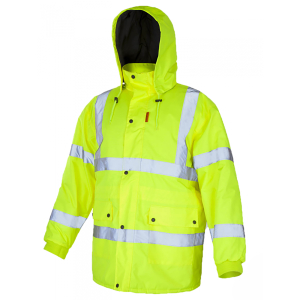
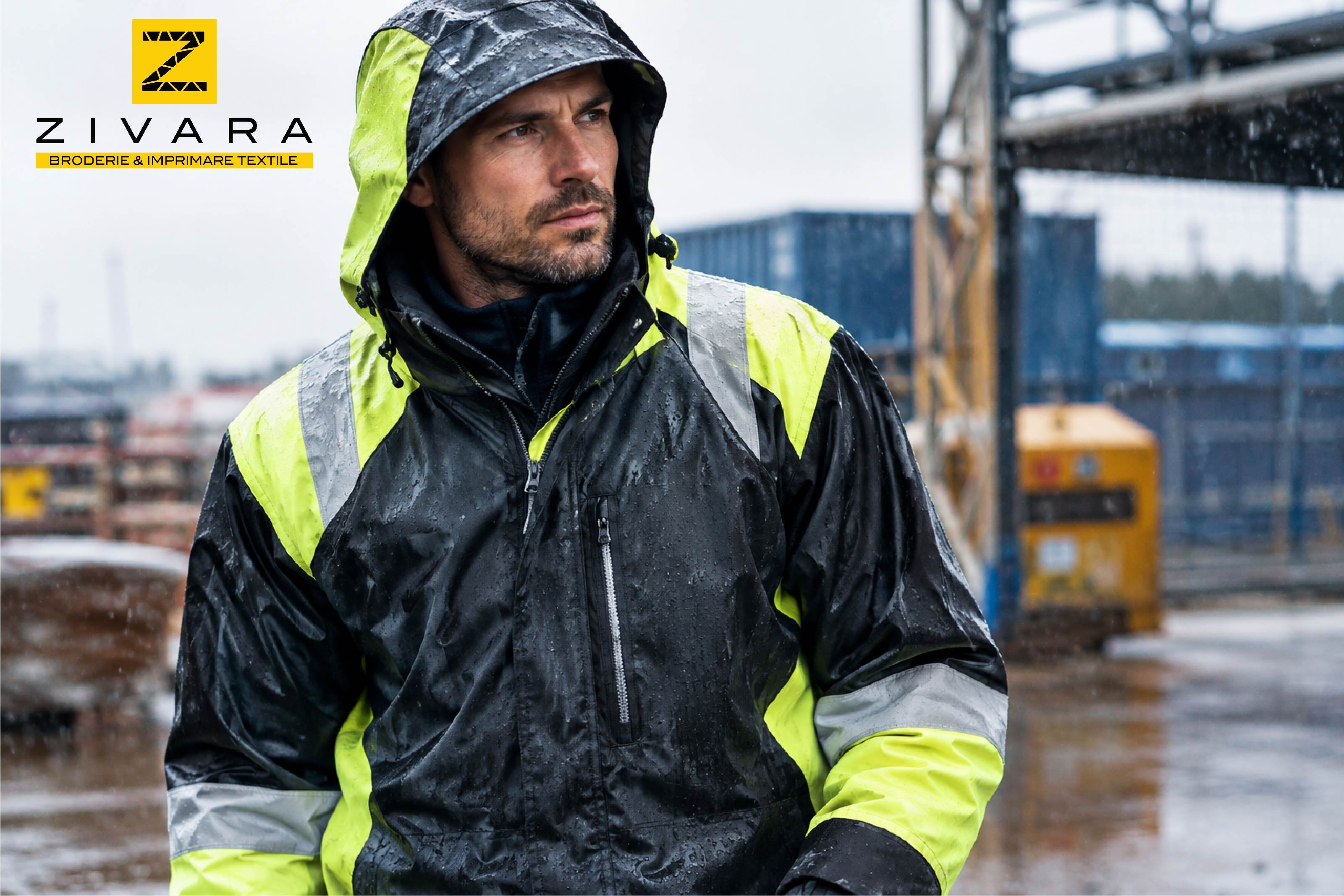
Fluorescent yellow, high-visibility orange and reflective tapes can be operational requirements rather than aesthetic preferences. On construction sites, in logistics yards, around moving vehicles and machinery, or during night-time work, improved visibility can help ensure that workers are noticed in time.
If the activity requires high-visibility workwear, check that the garment meets the applicable requirements and provides the appropriate class for the working environment. A decorative reflective strip is not equivalent to certified high-visibility PPE. Personalisation should also be positioned carefully so that it does not cover fluorescent areas or reflective tapes required for compliance.
A waterproof work jacket can reinforce a company's identity every time an employee visits a customer, works on a construction site or moves between locations. However, the personalisation method should be selected according to the fabric, construction and intended use of the jacket. The wrong application method can damage a membrane, compromise local water protection or cause the logo to peel or deteriorate after repeated washing.
Embroidery is valued for its premium appearance and durability, but it is not always the ideal choice for a thin waterproof fabric, particularly where the resulting needle holes could affect water protection. On suitable garments, embroidery can work very well when applied to carefully selected areas. Heat transfer is often a practical solution for clean logos, precise colours and application to technical fabrics. DTF can reproduce fine details and complex graphics, but its suitability should be assessed according to the flexibility of the fabric and the manufacturer's care instructions.
For larger teams, standardisation is essential: the same logo position, dimensions and colours across all sizes. Zivara recommends the personalisation method after considering the garment, artwork and real working conditions. Professional branding is only valuable if it still looks professional after repeated use and washing.
A workwear order should not be placed on the day the first heavy rain arrives. Employee sizes need to be collected accurately, while the required quantity should also account for new employees, additional shifts and replacements. For organisations operating across several locations, a simple table organised by department, size and job role can reduce ordering errors and make quotation and replenishment much easier.
It is also worth establishing care and maintenance requirements from the beginning. Even a high-quality waterproof work jacket can lose performance if it is washed too aggressively, dried at unsuitable temperatures or treated with inappropriate products. Clear care instructions help extend the garment's service life and protect the company's investment in workwear.
Choose a waterproof work jacket according to the working day it needs to support, not simply according to the product photograph. When fabric performance, waterproof protection, breathability, visibility, fit and personalisation are matched to the actual requirements of the team, workwear becomes more than clothing. It becomes part of the company's protection strategy, operational efficiency and professional image – whatever the weather.